An opportunity to meet Paco Calvo

18 June 2026 | 19:00

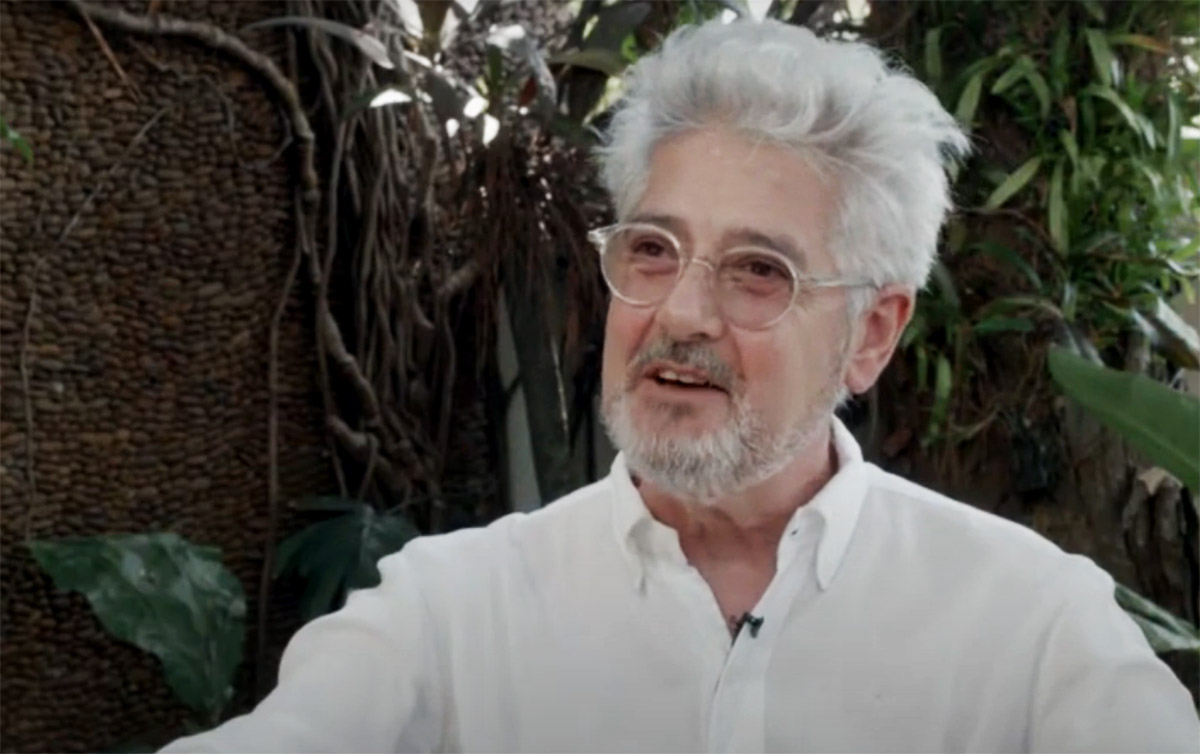
Renowed cognitive scientist, philosopher of biology and author of Planta Sapiens, Paco Calvo, is coming to Athens for a public lecture on plant intelligence and emerging approaches to the relationship between humans, technology and living systems.

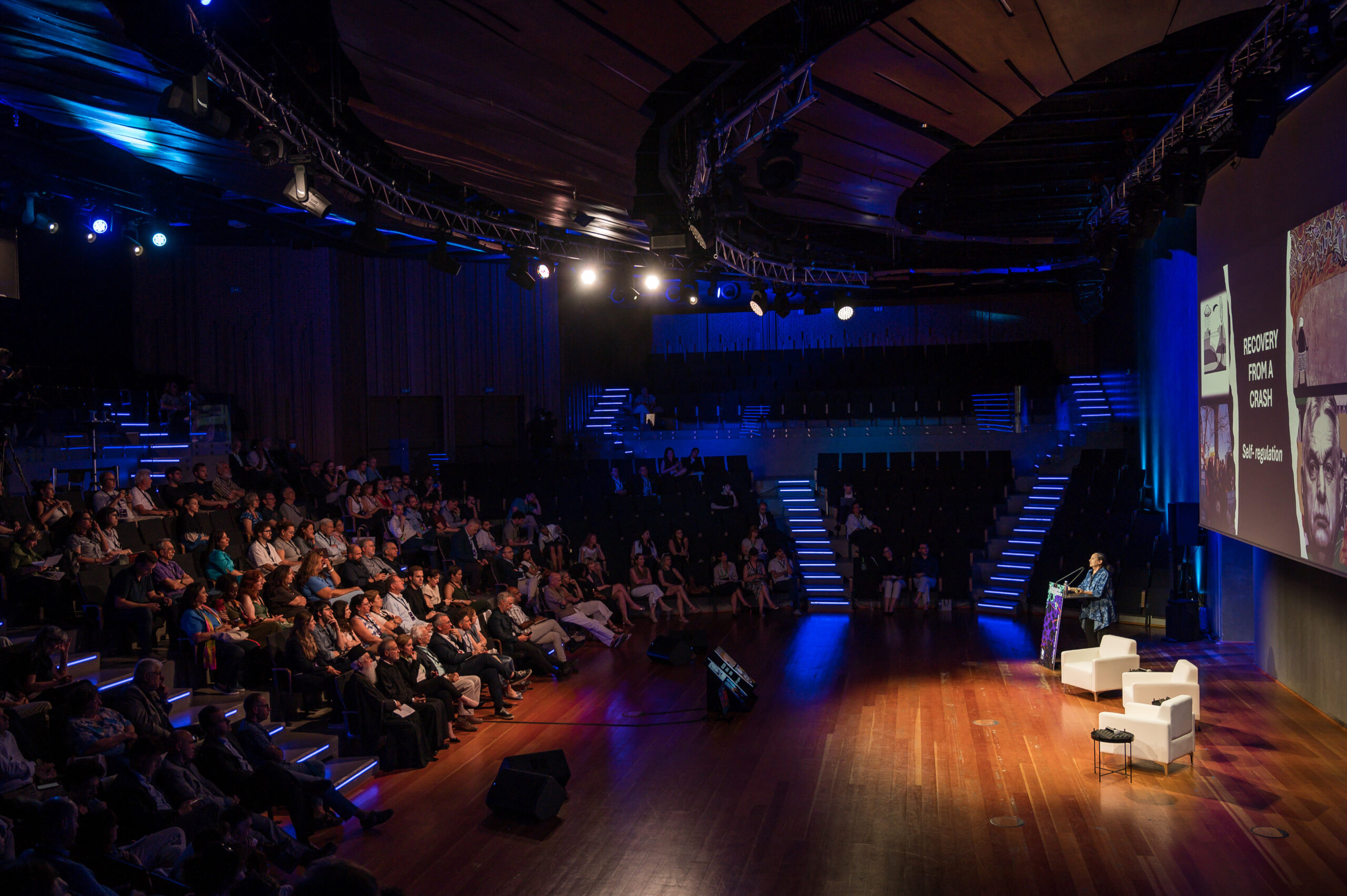
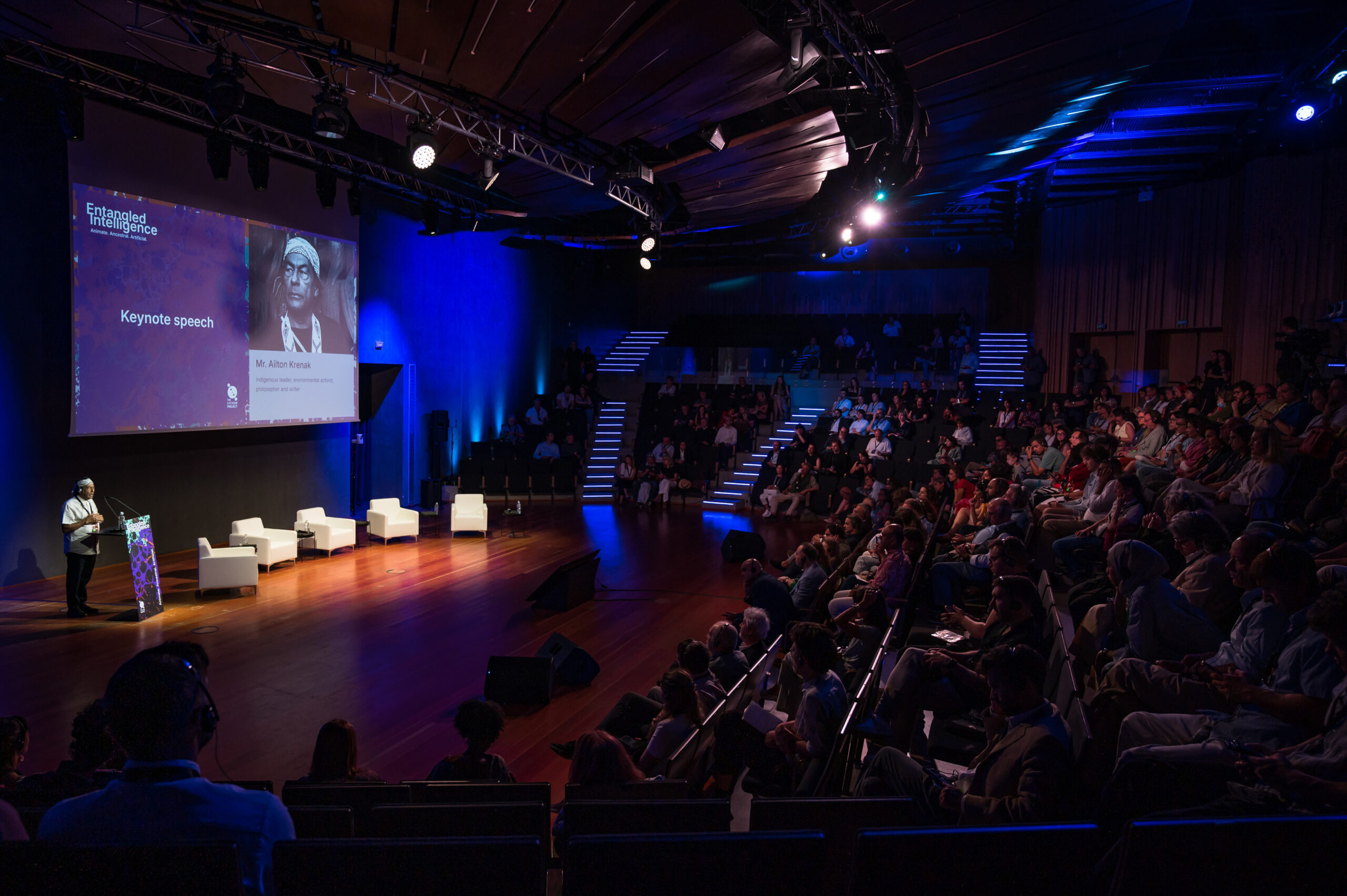
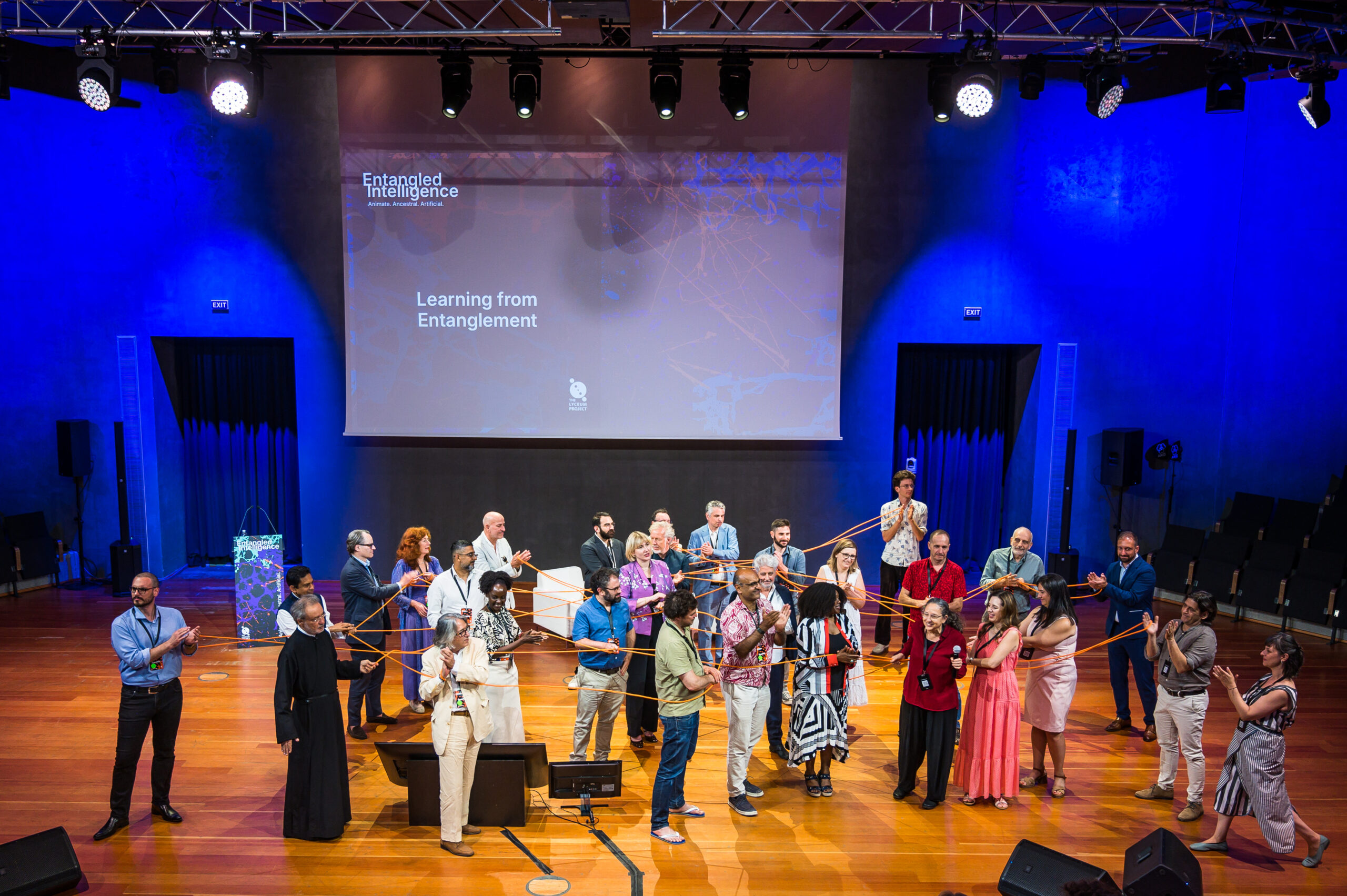
The event will take place on Thursday, 18 June 2026, at 19:00, at the National Museum of Natural History Goulandris. It is organised in the context of the 3rd The Lyceum Project, which will be held on 19–20 June at the Athens Conservatoire under the theme: Entangled Intelligence: Animate. Ancestral. Artificial.

The National Centre for Scientific Research “Demokritos”, the World Human Forum and the National Museum of Natural History Goulandris invite the public to an engaging encounter with a pioneering thinker whose work explores forms of intelligence beyond traditional human- and brain-centred perspectives.

The event will be introduced by Alexandra Mitsotaki, President and Co-founder of the World Human Forum.


Event Information

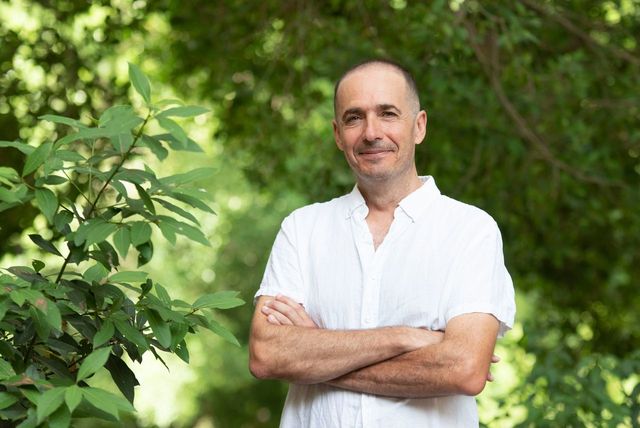
About  Prof. Paco Calvo.

Thursday, 18 June 2026 | 19:00

National Museum of Natural History Goulandris
“Angelos Goulandris” Auditorium
100 Othonos Street, Kifissia


The lecture will be delivered in English.

Free admission – seating is available on a first-come, first-served basis.


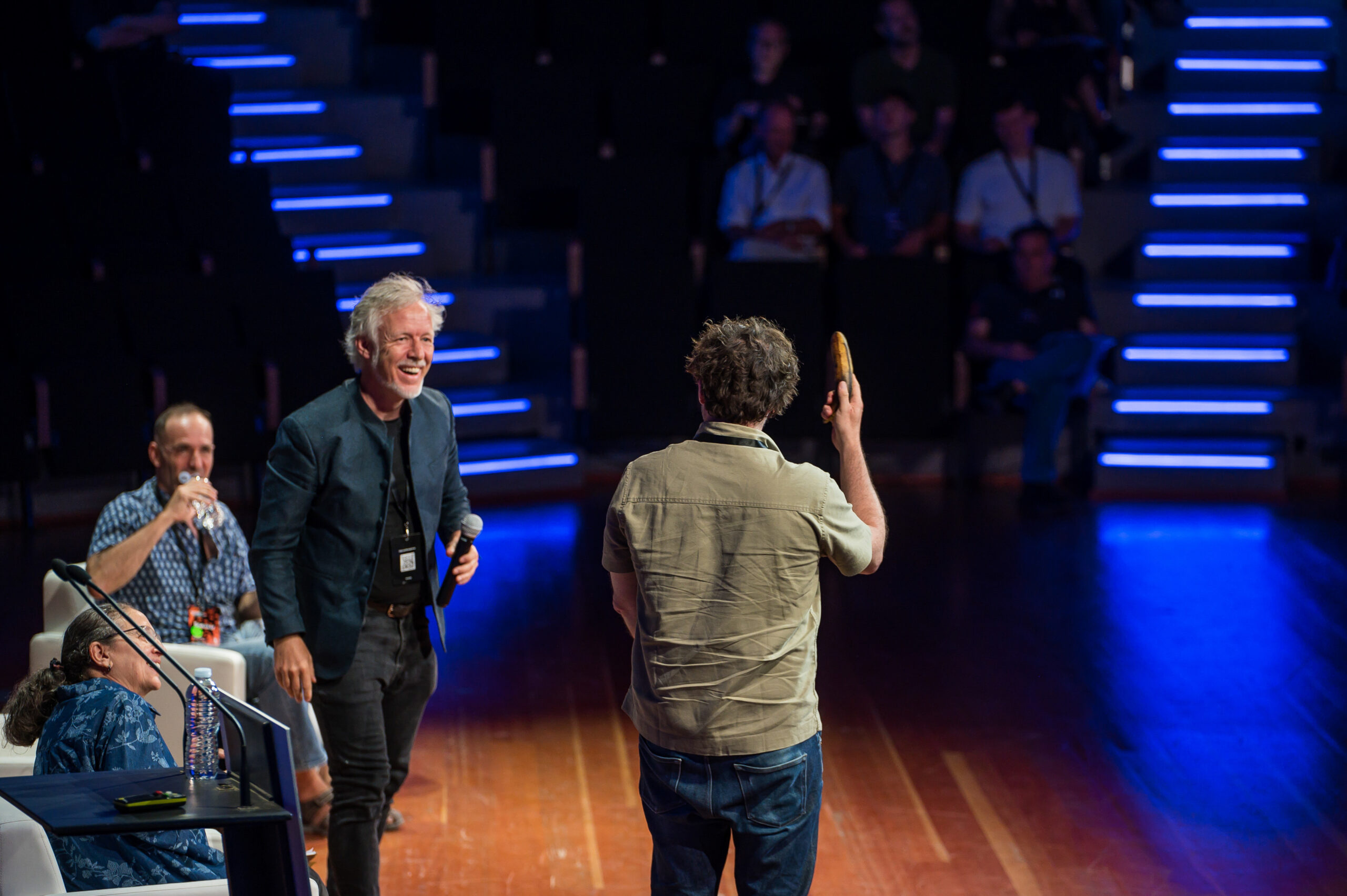
Photos

What would Aristotle say about Animate and Artificial Intelligence?

by Spyridon Rangos, Professor of Ancient Greek Literature and Philosophy, University of Patras

“Nature does nothing in vain”. This famous saying by Aristotle, repeated in several of his surviving works, aims to disclose the universal teleology that prevails in the various life-forms of natural kinds. Plants and animals manage to lead the kind of life that is appropriate to their species because they possess an organizing life-principle called “soul”. An Aristotelian soul determines the form of the body and the mode of operation for each member of a given species from birth to death, including such processes as nutrition, organic development, maturation, and decay. Although living beings other than humans do not reason, they all naturally possess, thanks to their souls, an inherent tendency to attain survival and reproduction as well as an implicit knowledge about the required sequence of stages to the attainment of those ends. An intelligent design is thus inscribed in their natures which might be called “animate intelligence”. Aristotle would have no qualms about the term. By contrast, he would think that “artificial intelligence” is a misnomer, since the qualification “artificial” contradicts the qualified noun.

In Aristotle’s philosophy of nature, intelligence is a function of living substances alone. His distinction between natural and artificial things is fundamental and unbridgeable. The products of human ingenuity and craft may help us achieve our goals, but they can neither determine the goals nor assume responsibility for the means. On Aristotle’s assumptions, an AI device is neither an intelligent soul nor a thinking tool: it is, at best, a tool for thinking. For thinking belongs uniquely to humans since of all natural substances only human souls are naturally endowed with reason. To disclaim this prerogative would be disastrous for our nature.

Register