A new generation is raised with AI, and, possibly, by AI. This new reality makes it imperative to recognise significant new opportunities but also address crucial challenges.
In the age of digital transformation, it is essential to adopt age appropriate approaches and designs. Children must be equipped with the abilities and tools that will allow them to flourish within the digital world and that will enable them to become functioning democratic citizens. Parents, caregivers and educators must be educated to consider the effects on children’s life, reputation, and future when using AI.
The inaugural edition of The Lyceum Project in 2024 set out an Aristotelian ethical framework for addressing the key challenges and opportunities created by the rapid development of AI technologies, as presented by Oxford’s Institute for Ethics in AI Director John Tasioulas and Stanford Professor Josiah Ober’s new white paper: “Lyceum Project: AI Ethics with Aristotle”.
Central themes of the paper included the following:
- The ethics of AI must be rooted in a rich conception of human flourishing, one centered on the exercise of distinctive human capabilities.
- AI systems should be conceived as ‘intelligent tools’ that enable individual and communal flourishing, not beings with a comparable moral standing to humans.
- The key political means for ensuring that AI serves the human good is its subjection to strong governance, based on informed and participatory democratic processes, with AI tools also playing an important role in enabling democratic deliberation and decision- making at scale.
Building on the central themes of the Aristotelian ethical framework, on the 20th of June, this year’s edition of The Lyceum Project focuses on the high-priority issue of enabling children, tomorrow’s citizens, to flourish in the age of AI:
Topics of discussion will include:
- Human nature: How do we teach parents, teachers and children about human nature and the alignment (or misalignment) of AI with it? What are effective ways to enhance children’s sense of agency? What types of educational experiences are crucial for children to develop a keen understanding of their choices preparing them to be active and informed democratic citizens?
- AI systems as ‘intelligent tools’ for children’s flourishing: How can we design AI systems for children in a way that safeguards their privacy, their capacity to cultivate their agency and their development towards becoming responsible democratic citizens? How should AI systems communicate their capabilities to avoid setting unrealistic expectations about their functionality?
- Policy and regulations: How can AI help children’s voice to be heard in democratic deliberation and decision-making at scale, to also ensure today’s decision makers better understand how children and AI interact? How can AI help children develop healthier lives and interests? What are our ethical and legal obligations to future generations in the context of AI development and implementation?
10:30-19:30
Registration
Location:
Entrance
Start your day with a warm welcome from The Lyceum Project team!
Upon arrival, please proceed to the registration desk to pick up your badge and event materials. Our team will be available to assist you and answer any questions.
If you require a translation device for Greek to English or vice versa, please ask at the registration desk.
11:00-11:15
Welcome
Location:
Amphitheatre Ioannis Despotopoulos
Speakers:
- Ms Alexandra Μitsotaki President & Co-Founder, World Human Forum
- Dr Georgios Nounesis Director & Chairman of the Board of the National Centre for Scientific Research Demokritos
The conference opens with a warm welcome by Alexandra Mitsotaki, President & co-founder of the World Human Forum and George Nounesis, Director and Chairman of the Board of the National Centre for Scientific Research “Demokritos”.
11:20-11:50
Giving children back their childhood: Balancing Rights and Protection in the Age of AI
Location:
Amphitheatre Ioannis Despotopoulos
Speakers:
- Mr Kyriakos Mitsotakis Prime Minister of the Hellenic Republic
- Baroness Beeban Kidron Crossbench Peer, House of Lords, UK Parliament
- Dr Ing Konstantinos Karachalios Strategic Advisor for IEEE Executive Director
Kyriakos Mitsotakis Prime Minister of the Hellenic Republic discusses with Baroness Beeban Kidron, Crossbench Peer, House of Lords, UK Parliament. The discussion is moderated by Dr Ing Konstantinos Karachalios.
11:55-12:10
Kids & AI: Empowering the new generation
Location:
Amphitheatre Ioannis Despotopoulos
Speakers:
- Ms Eugenia Bozou Head of Government Affairs & Public Policy, Google Greece, Cyprus & Malta
12:15-12:45
AI Governance Panel
Location:
Amphitheatre Ioannis Despotopoulos
Speakers:
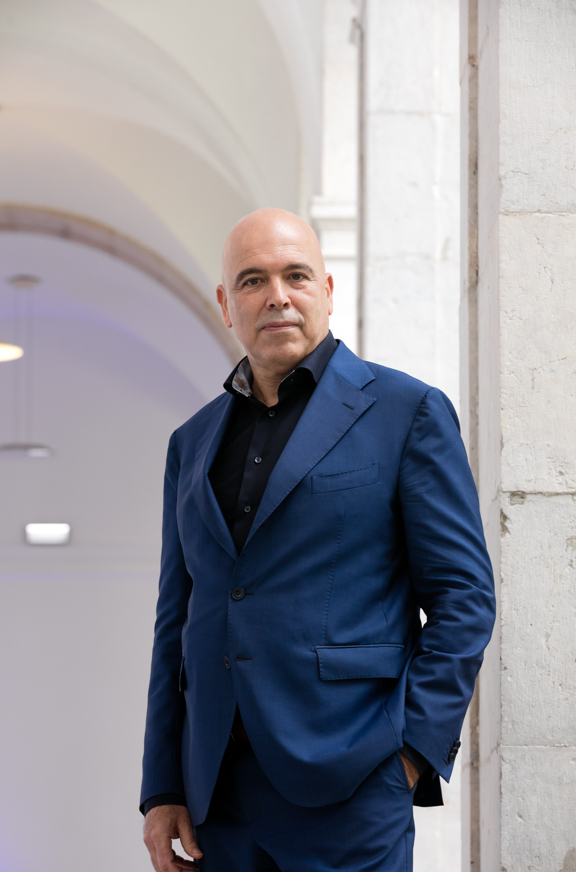
- Dr Wayne Holmes Professor of Critical Studies of Artificial Intelligence and Education in the IOE, University College London
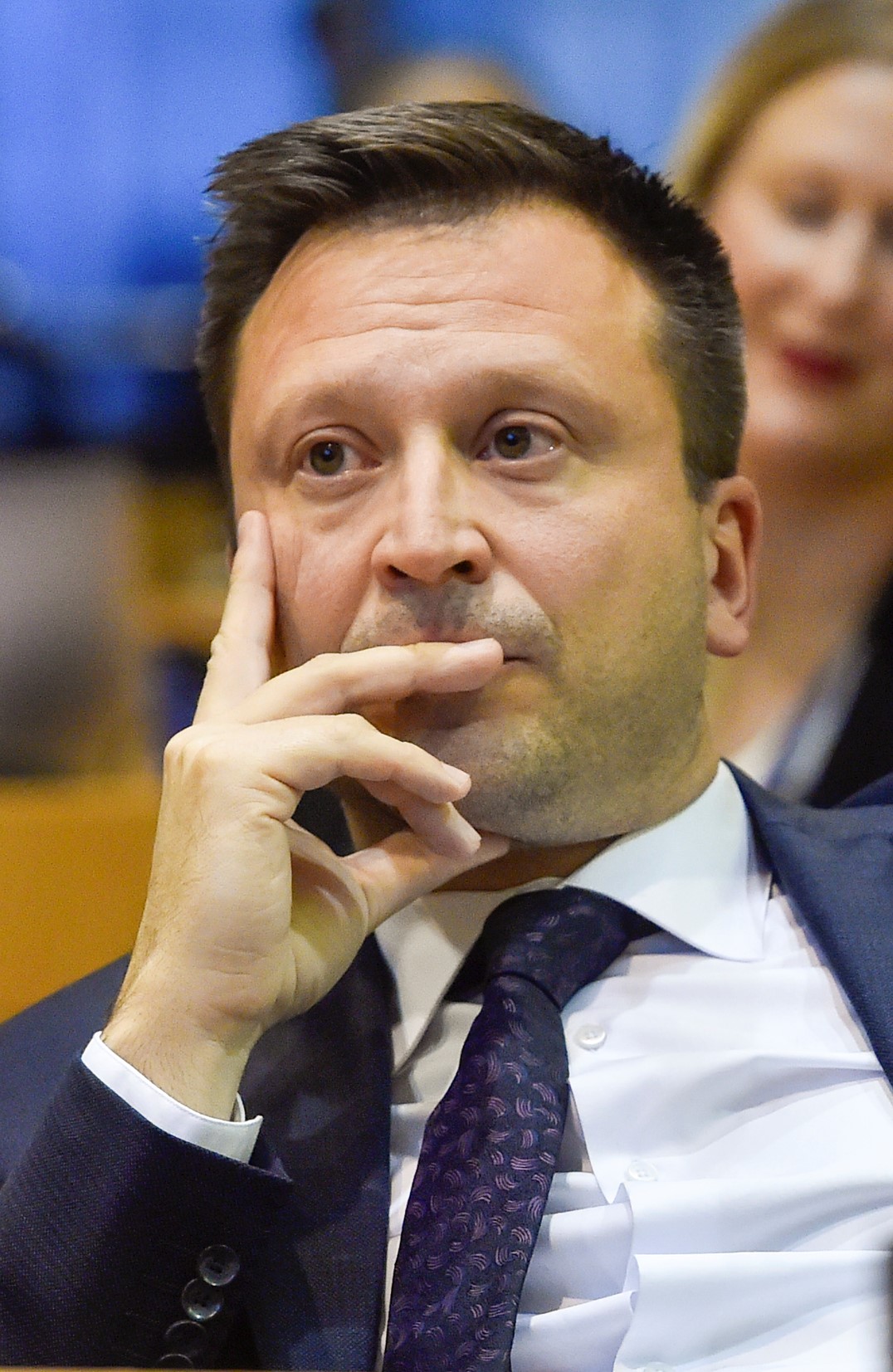
- Mr Juraj Čorba Responsible of Digital Regulation and Governance at the Ministry of Informatisation, Slovakia
- Mr Alpesh Shah Managing Director, IEEE Standards
- Prof Lilian Mitrou Department of Information and Communication Systems Engineering, University of the Aegean
This panel discussion will address regulation, ethical foresight, and legal responsibilities related to children in the age of AI, offering insights from academics, policy-makers and technology governance experts on shaping future governance frameworks. The session is moderated by Prof Lillian Mitrou, Department of Information and Communication Systems Engineering, University of the Aegean.
12:50-13:00
AI Education and Τraining: Empowering the Future Generations
Location:
Amphitheatre Ioannis Despotopoulos
Speakers:
- Ms Tanya Perelmuter Co-founder & Director of Strategy, Fondation Abeona
- Dr Lida Arnellou Research Scientist (C), Institute of Informatics and Telecommunications, NCSR Demokritos
13:05-13:45
AI and Education Panel: Growing up in a world with AI
Location:
Amphitheatre Ioannis Despotopoulos
Speakers:
- Prof Zoe Gavriilidou Professor of Linguistics, Democritus University of Thrace
- Asst Prof Spyridon Doukakis President of the Institute of Educational Policy;
Asst Professor of Digital Technologies in Education, Ionian University - Dr Giorgos Kosteletos Post-doctoral Researcher, National and Kapodistrian University of Athens
- Mr Christos Skarkos Principal of the Vivlos Primary School in Naxos
- Prof Despoina Karakatsani Head of the Laboratory for the Study of Gender, Inequalities, and Discrimination, University of Peloponnese
A diverse group of panelists, whose work spans AI literacy, policy, philosophy, and education share their insights and experiences about how AI can empower teaching and learning, as well as how education can be shaped to support children, tomorrow’s citizens, in the age of AI. The session is moderated by Prof Despoina Karakatsani, Head of the Laboratory for the Study of Gender, Inequalities, and Discrimination, University of Peloponnese.
13:45-14:15
Educational Competition Awards
Location:
Amphitheatre Ioannis Despotopoulos
Speakers:
- Dr Dora Katsamori AI & Education, Research Associate Institute of Informatics and Telecommunications, NCSR Demokritos
15:30-17:30
Young Scholars Session
Location:
Arts Lounge
Young Scholars:
-
AI Agents in Formal Education: Scientific Evidence and Guardrails for Children’s Rights
Ms Vicky Charisi Research Fellow, Harvard University -
Digital Natives or AI Dependents? Reconstructing Legal Capacity for Children in AI-Driven Environments
Dr Sky Ma Max Weber Fellow, European University Institute -
Ethical AI for children in the Global South as an infrastructural challenge
Ms Vasiliki Poula DPhil candidate in International Development, University of Oxford -
Children Voicing Concerns: Imagining AI Futureworlds, Rethinking Subjectivity
Ms Eleni Tsatsaroni Ph.D. candidate in Sociology, National and Kapodistrian University of Athens
Five young scholars (PhD students or those within 7 years of their PhD), coming from diverse fields (social sciences, humanities, education, computer science, AI ethics, and art), share their insights, ideas, and reflections on this year’s theme. The session has been organised in affiliation with the Center for Hellenic Studies in Greece of the University of Harvard.
Children and AI: Habits, Agency, and the Shaping of Futures
Introductory remarks by Dr Nicolas Prevelakis, Associate Senior Lecturer on Social Studies, Harvard University & Associate Director for Curricular Development, Center for Hellenic Studies, Harvard University.
18:30-18:35
What is the role of education in the era of anthropomorphic AI?
Location:
Amphitheatre Ioannis Despotopoulos
Speakers:
- Prof Panagiotis Pantazakos Professor of Philosophy, National and Kapodistrian University of Athens
The session will be in Greek.
18:40-19:20
Age-Appropriate AI Design Panel
Location:
Amphitheatre Ioannis Despotopoulos
Speakers:
- Asst Prof David Bickham Assistant Professor in Adolescent/Young Adult Medicine, Boston Children’s Hospital
- Dr Jun Zhao Founder of the Oxford Child-Centred AI Design Lab
- Dr Sergio Imparato Lecturer in Government, Department of Government, Harvard University
- Ms Liz Thomas Director of Public Policy, Digital Safety, Microsoft
- Dr Mhairi Aitken Senior Ethics Fellow, The Alan Turing Institute
This panel brings together academics and AI practitioners to discuss how we can build age-appropriate, child-centred AI that tackles urgent challenges, reflects ethical insights, connects research and industry, and includes global perspectives. The session is moderated by Dr Mhairi Aitken.
19:30-20:00
Concluding Philosophical Reflections about Children and AI
Location:
Amphitheatre Ioannis Despotopoulos
Speakers:
- Prof John Tasioulas Professor of Ethics and Legal Philosophy, University of Oxford
- Prof Spyridon Rangos Professor of Ancient Greek Literature and Philosophy, University of Patras
- Dr Maria Dagioglou Collaborating Researcher, Institute of Informatics & Telecommunications, NCSR Demokritos
Prof John Tasioulas, Professor of Ethics and Legal Philosophy and Director of the Institute for Ethics in AI at the University of Oxford discusses with Prof Spyros Ragkos. The session will be moderated by Dr Maria Dagioglou, Collaborating Researcher, Institute of Informatics & Telecommunications, NCSR Demokritos.
20:05-20:20
Closing Remarks and Next Steps
Location:
Amphitheatre Ioannis Despotopoulos
Speakers:
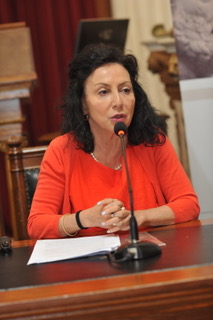
- Prof Anastasia Giannakidou Frank J. McLoraine Professor of Linguistics and the College, University of Chicago
Prof Anastasia Giannakidou will provide closing remarks, reflecting on the key insights of the day, highlighting emerging questions, and outlining possible directions for inquiry and action.
20:25-20:45
Reawakening the Lyceum: From Aristotle to the Future
Location:
Amphitheatre Ioannis Despotopoulos
Speakers:
- Ms Alexandra Μitsotaki President & Co-Founder, World Human Forum
- Ms Antoinette Nassopoulos-Erickson BSc. B.Arch (hons). MA.UD. RIBA Senior Partner Foster + Partners Architects
- Mr Nikos Chardalias Governor of Attica, The Greater Athens Region
- Dr Vangelis Karkaletsis Director of the Institute of Informatics & Telecommunications, NCSR Demokritos
Presentation of the Philosophy Hub in Aristotle’s Lyceum, an initiative launched by the National Centre for Scientific Research “Demokritos”, the World Human Forum, Foster+Partners and funded by Region of Attica and the Ministry of Culture.
23:00-23:45
Midnight - Aristotle's Lyceum: Experiencing the spirit of the place
Location:
Aristotle's Lyceum
The day will conclude with an evening, interdisciplinary performance at Aristotle’s Lyceum, inspired by the topics discussed during the day. The Athens Conservatoire dance students, collaborating with Contemporary Music Research Center musicians, will offer a vibrant close to an intellectually stimulating day.





Prof Anastasia Giannakidou
Frank J. McLoraine Professor of Linguistics and the College, University of Chicago

Dr Wayne Holmes
Professor of Critical Studies of Artificial Intelligence and Education in the IOE, University College London
Mr Juraj Čorba
Responsible of Digital Regulation and Governance at the Ministry of Informatisation, Slovakia


Prof Lilian Mitrou
Department of Information and Communication Systems Engineering, University of the Aegean

Asst Prof Spyridon Doukakis
President of the Institute of Educational Policy;
Asst Professor of Digital Technologies in Education, Ionian University

Dr Giorgos Kosteletos
Post-doctoral Researcher, National and Kapodistrian University of Athens


Prof Despoina Karakatsani
Head of the Laboratory for the Study of Gender, Inequalities, and Discrimination, University of Peloponnese

Asst Prof David Bickham
Assistant Professor in Adolescent/Young Adult Medicine, Boston Children’s Hospital



Prof Spyridon Rangos
Professor of Ancient Greek Literature and Philosophy, University of Patras
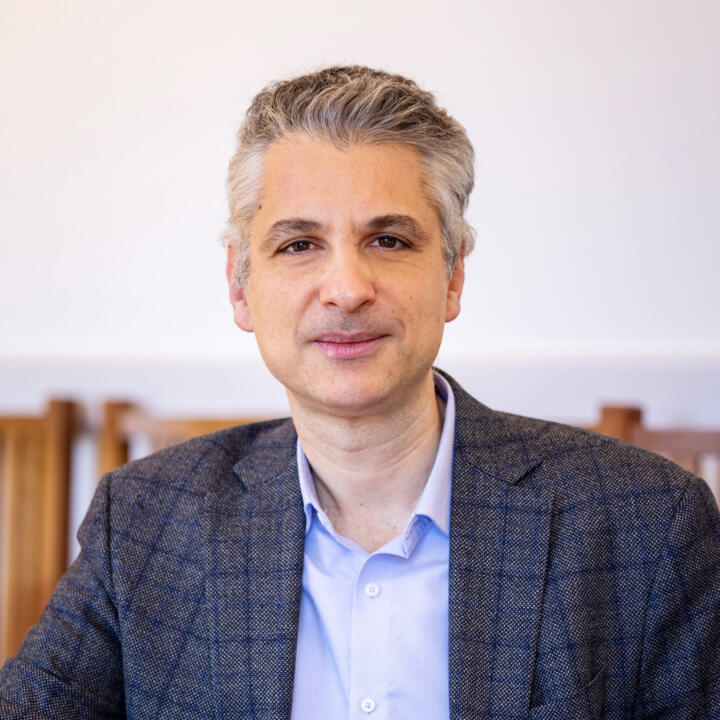




Ms Eleni Tsatsaroni
Ph.D. candidate in Sociology, National and Kapodistrian University of Athens

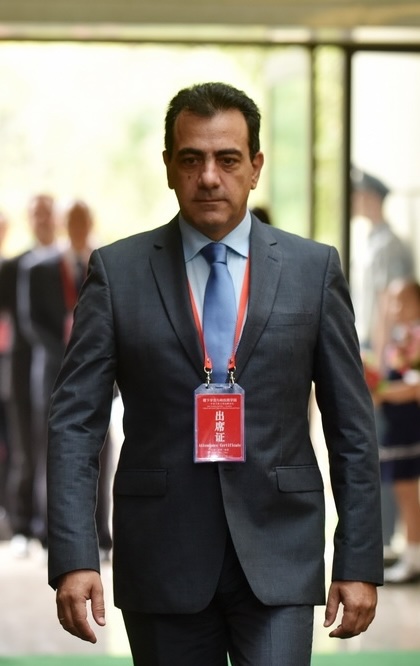
Prof Panagiotis Pantazakos
Professor of Philosophy, National and Kapodistrian University of Athens
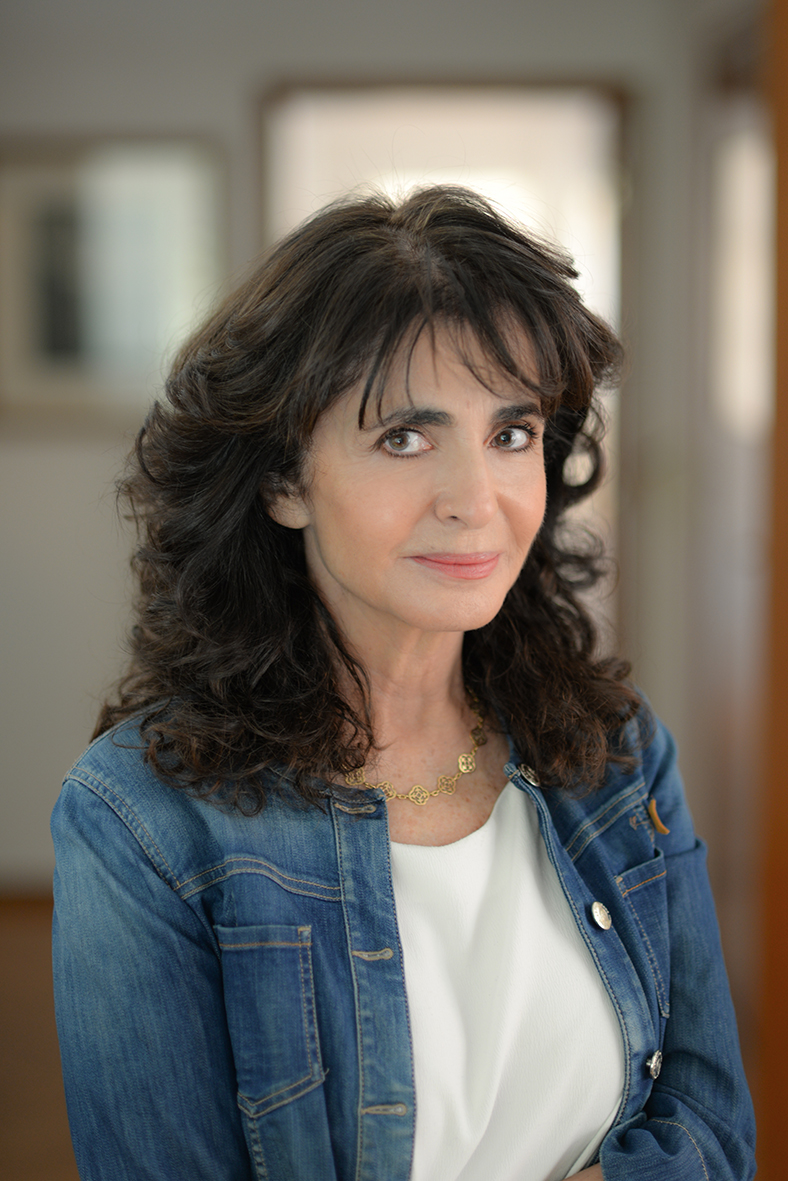

Ms Antoinette Nassopoulos-Erickson
BSc. B.Arch (hons). MA.UD. RIBA Senior Partner Foster + Partners Architects
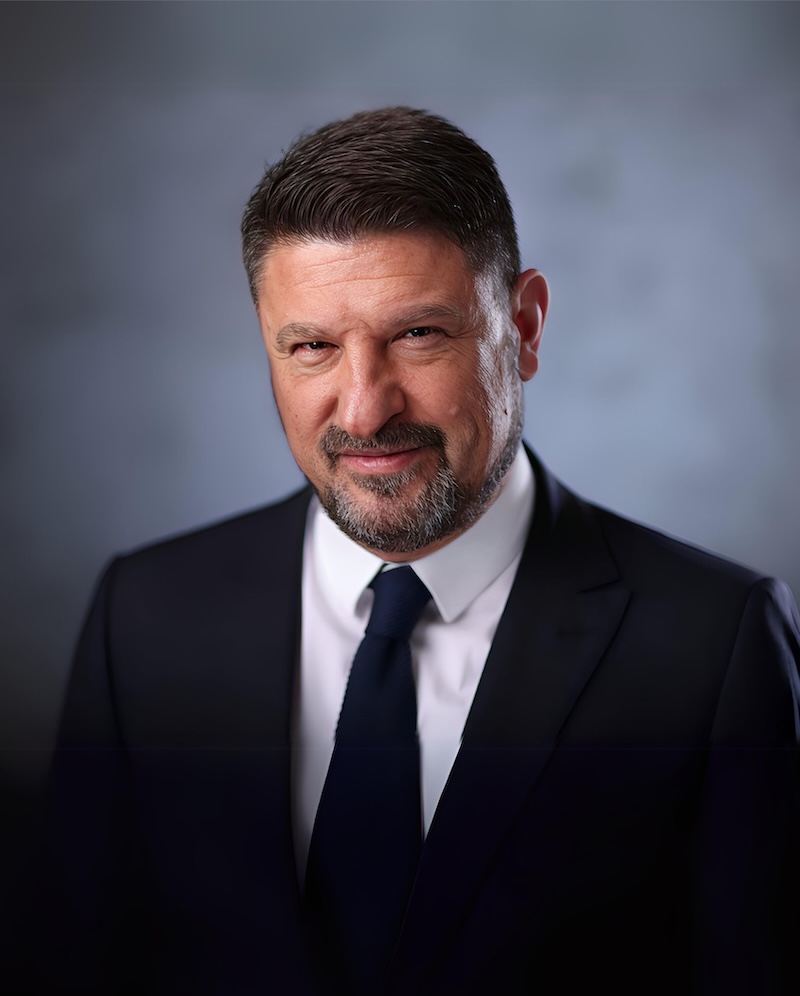
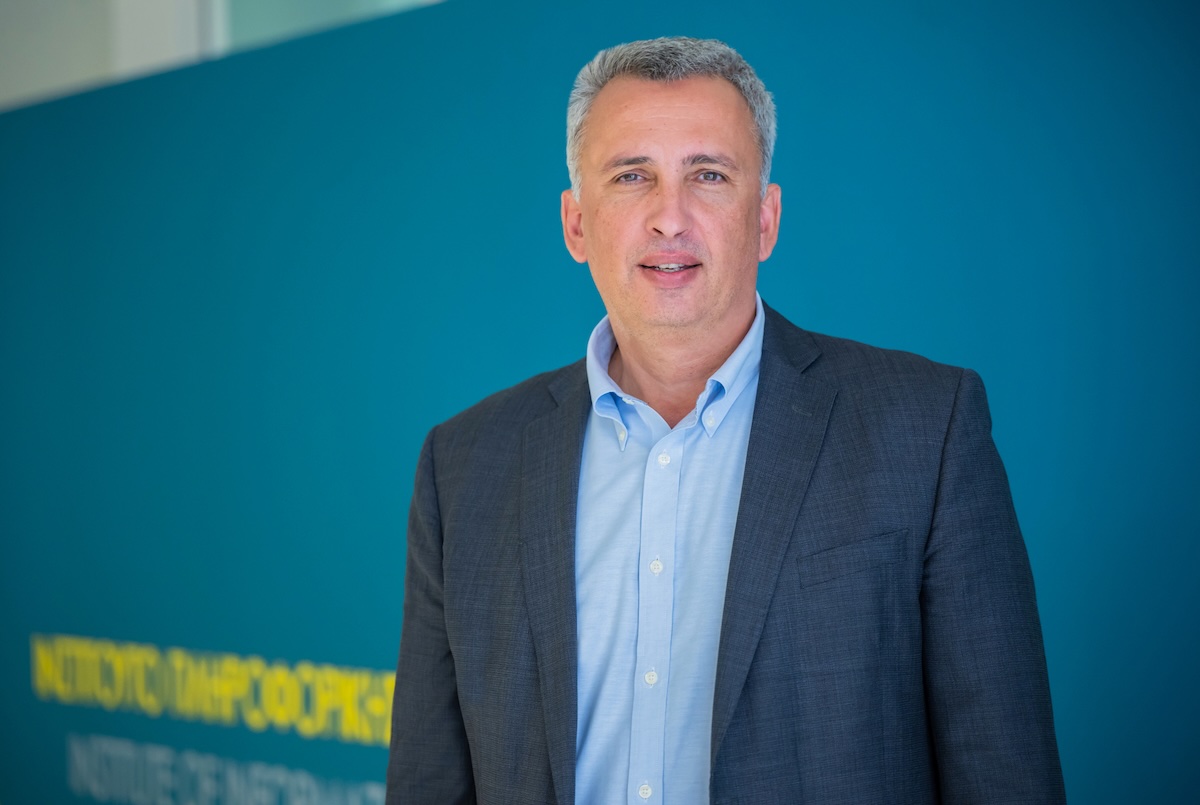
Dr Vangelis Karkaletsis
Director of the Institute of Informatics & Telecommunications, NCSR Demokritos
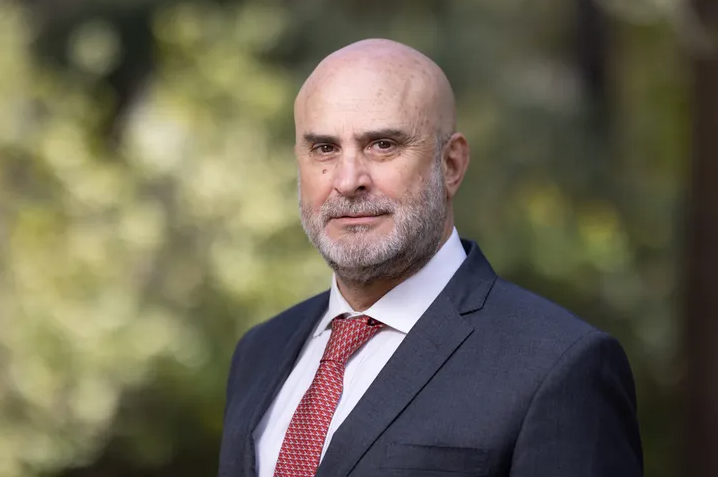
Dr Georgios Nounesis
Director & Chairman of the Board of the National Centre for Scientific Research Demokritos

Dr Lida Arnellou
Research Scientist (C), Institute of Informatics and Telecommunications, NCSR Demokritos

Dr Maria Dagioglou
Collaborating Researcher, Institute of Informatics & Telecommunications, NCSR Demokritos
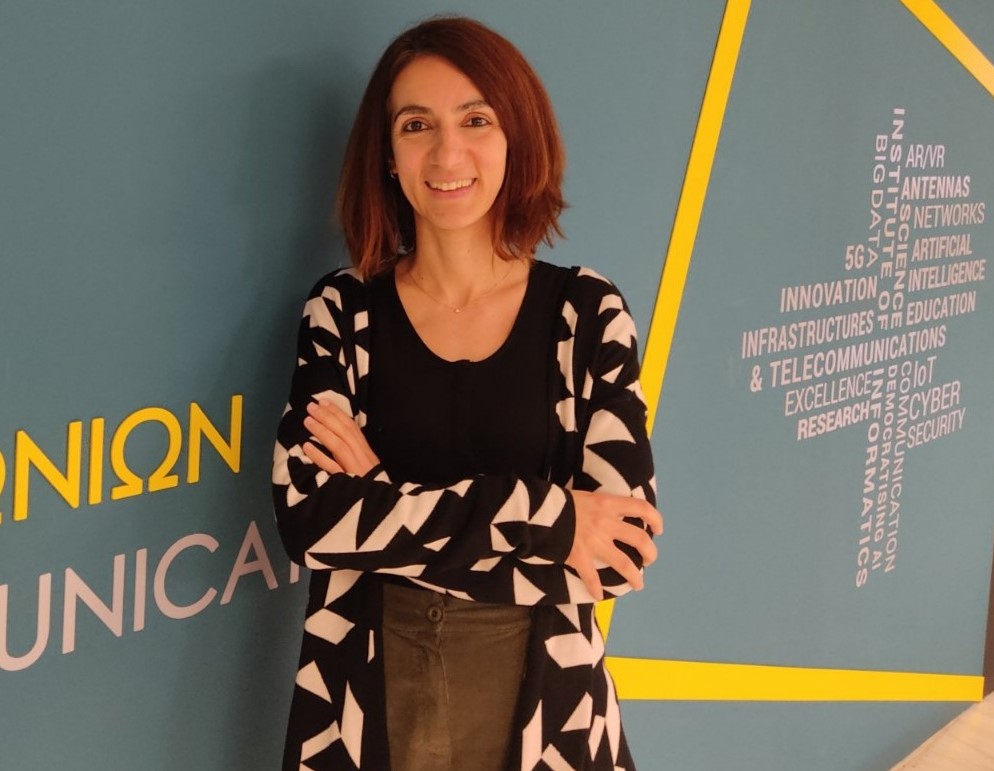
Dr Dora Katsamori
AI & Education, Research Associate Institute of Informatics and Telecommunications, NCSR Demokritos
Organised by

In collaboration with

Hosted by

In affiliation with

With the support of


Main sponsor

Official airline partner

Future AI leaders sponsor

Media partners